
A Guide to Participating in a Mass Tort Lawsuit

April 12, 2024

When a significant number of individuals have been affected by the same harmful activity or product, they may seek justice in the form of a mass tort lawsuit.


This legal avenue allows plaintiffs with similar claims to pool their resources and seek redress for their injuries collectively. But navigating a mass tort can be complex and intimidating for those unfamiliar with the legal process.


For injured consumers, understanding their rights and options is crucial. This comprehensive guide aims to demystify the process and empower individuals to engage effectively in mass tort lawsuits.


Understanding Mass Torts

Mass Tort vs. Class Action 

It is essential to differentiate between mass torts and class actions. Class actions involve a large group of people with similar claims who are pursuing a collective lawsuit. Conversely, a mass tort lawsuit involves numerous plaintiffs who have been injured similarly, but their cases are heard individually. While these legal strategies may vary, they both serve to give a collective voice to those who otherwise might not have the means to fight large entities in court.


Types of Mass Tort Cases

There are several scenarios where mass tort claims commonly arise. Product liability cases, where defective products cause widespread harm, pharmaceutical claims for harmful drugs or medical devices, and toxic torts related to environmental contamination are typical mass tort categories. Each situation presents unique challenges and opportunities, and the more one understands the case specifics, the better positioned they are to partner with their legal team effectively.


Steps to Join a Mass Tort Lawsuit

Finding a Experienced Attorney

The first and perhaps most critical step is finding mass tort attorneys with expertise in this area. Consumers should seek legal professionals or firms specialized in mass tort litigation who can provide a free consultation to assess their case. Researching the lawyer's background, track record, and possible conflicts of interest is paramount to the success of the case.


Assessing Eligibility and Joining a Lawsuit

After consulting with a qualified attorney, the next step is to determine whether you qualify for a mass tort lawsuit. Attorneys will evaluate the potential plaintiffs injury and the circumstances of the case to confirm their eligibility. Once eligibility is established, attorneys will guide potential claimants through the process of joining the lawsuit and ensuring all necessary paperwork is filed correctly and on time.


Understanding the Legal Processes

Participation in a mass tort lawsuit requires a deep understanding of the legal issues. This includes the discovery process, where both parties gather evidence, and potential settlement negotiations. It's crucial for plaintiffs to keep the lines of communication open with their legal team, stay informed about the case's progress, and be prepared for the possibility of going to trial if a settlement is not reached.


Benefits and Risks of Mass Torts

Potential Monetary Compensation

One of the primary benefits for qualifying prospective plaintiffs in mass torts is the potential to seek compensation for their injuries. Mass tort cases often result in significant settlements or awards since the harms suffered by each plaintiff are usually severe and the claims can be substantiated through shared evidence.


Time Implications

The flip side to the potential rewards is the time and costs associated with mass tort litigation. These cases can be highly complex and may take years to resolve. 

Managing Expectations

It's essential for participants to have realistic expectations about the outcomes of a mass tort lawsuit. While the potential for substantial compensation exists, there are no guarantees in the legal court system. Managing expectations means understanding the complexities of the case, the potential challenges that may arise, and the possibility of sharing a settlement with many other plaintiffs.


Get Help from an Experienced Attorney

Choosing the right attorney can significantly impact the outcome of a mass tort versus a class action lawsuit. For individuals affected by a harmful product or activity, enlisting the services of an experienced mass tort attorney is crucial. An experienced attorney will help determine the most appropriate legal avenue based on the specifics of the case and the goals of the plaintiff.


When seeking legal representation, it's important to choose an attorney or law firm with a proven track record in mass tort lawsuits or class actions, as they will have the necessary expertise and resources to handle these intricate cases.


Conclusion

Engaging in a mass tort lawsuit is a significant undertaking that requires both patience and perseverance. By understanding the processes involved and managing expectations, injured consumers can play an active role in holding wrongdoers accountable.


Informed decision-making is crucial, starting with the choice of a qualified attorney. With the right legal representation and a clear understanding of what's involved, mass tort participants can contribute to an equitable legal process and potentially secure the compensation they deserve.


For legal assistance in navigating the complexities of mass tort actions, consider reaching out to our office. We have a team of seasoned attorneys specializing in mass tort litigation and are committed to providing personalized legal guidance tailored to your unique circumstances.


Contacting our office could be the first step towards understanding your legal options and potentially securing the compensation you deserve for your personal injury.


Contact Us

By submitting this form you agree to receive text messages.
By Jason Joy Law • September 21, 2026
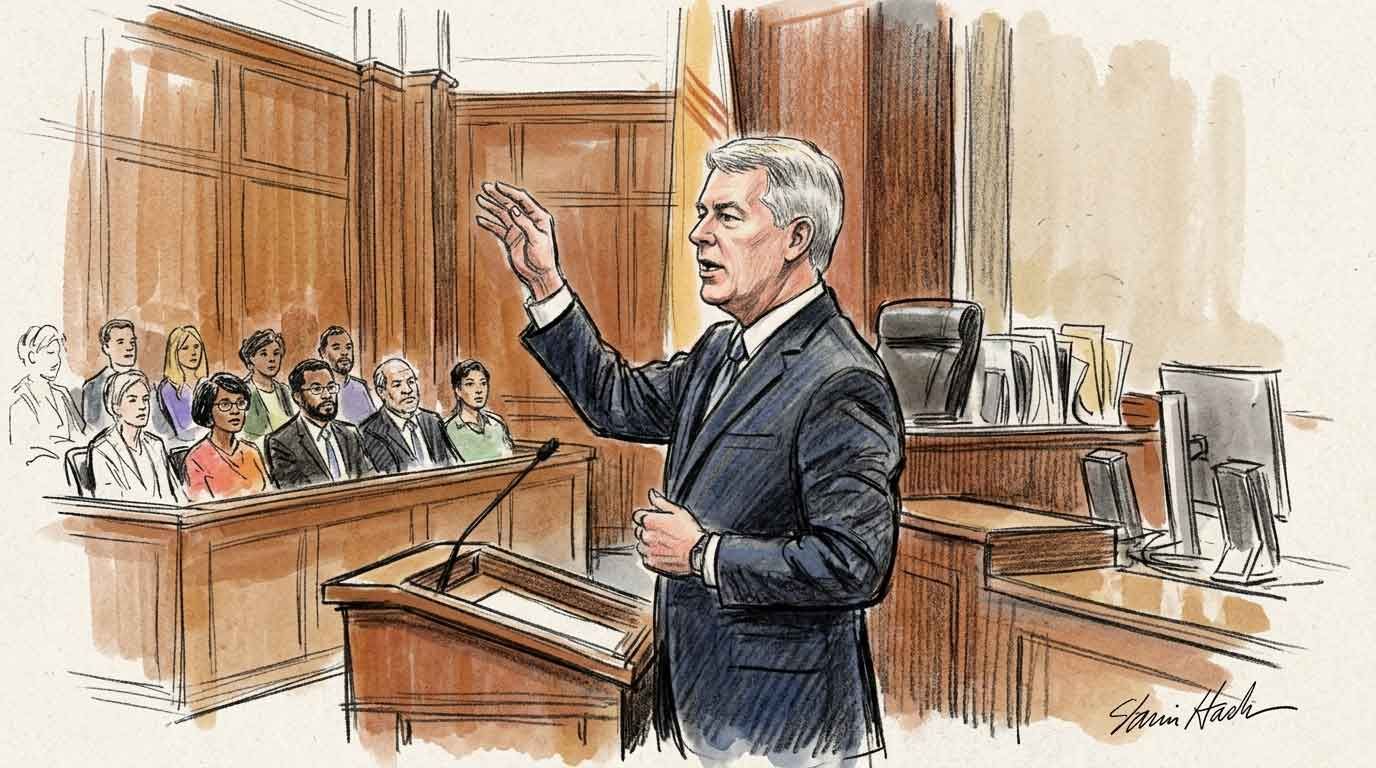
Meta, the company behind Facebook and Instagram, is on trial again in New Mexico. This month a Santa Fe courtroom began hearing State of New Mexico v. Facebook, Inc., a case that goes back to the Cambridge Analytica data scandal of the 2016 election. The trial comes only weeks after a New Mexico court entered a $942 million judgment against Meta in a separate child-safety case. The two cases involve different claims, but both put Meta's conduct, and what it has told the public, under scrutiny. What the Cambridge Analytica Trial Is About New Mexico's Attorney General alleges that Facebook violated the state's Unfair Practices Act. The case centers on a personality quiz app that, according to the state, was used to harvest information from approximately 87 million Facebook profiles. That figure does not mean 87 million people took the quiz. It refers to the Facebook profiles whose information may have been improperly collected and shared, most of which belonged to the friends of people who used the app. New Mexico alleges that Cambridge Analytica, a political consulting firm, used Facebook profile data in connection with targeted political messaging during the 2016 election, and that about 350,000 New Mexicans were affected. Former Attorney General Hector Balderas filed the case in 2021. Current Attorney General Raúl Torrez is now bringing it to trial before Judge Francis Matthew in the First Judicial District Court in Santa Fe. The trial is expected to last about four weeks, and Courtroom View Network is broadcasting it gavel to gavel. Meta rejects the allegations. In court, the company has argued that the lawsuit rests on claims that are "settled or debunked." Meta has also accused the Attorney General's office of trying to limit its First Amendment rights. The trial is ongoing and no verdict has been reached. The claims described above remain allegations that Meta disputes. A Separate Case: New Mexico's Child-Safety Judgment Against Meta The Cambridge Analytica case is separate from litigation involving alleged harms to young social media users. It concerns Facebook's handling of user data and representations about its privacy practices. Earlier this year, however, New Mexico also pursued a separate case against Meta involving allegations about the safety and design of Facebook and Instagram for minors. New Mexico obtained a jury verdict and final judgment against Meta in that separate child-safety case. In March 2026, a jury ordered Meta to pay a $375 million civil penalty. On August 7, 2026, the court entered an additional $567 million judgment tied to the youth mental health crisis, bringing the total to $942 million. In that case, the state alleged that Meta built products it knew would fuel addiction and deepen a youth mental health crisis, then misled parents about the risks. The court also ordered Meta to change how its platforms treat minors for five years. The required changes include: Stronger age verification and more protection for teen accounts No overnight push notifications for users under 18 Hidden "like" counts by default Mandatory time-use limits for minors Clear disclosures about the risks of using the platforms Several of these changes aim at the same design features that keep young users scrolling late into the night. Why This Matters for Your Family It's important to be clear about what the Cambridge Analytica trial is and isn't. It is a privacy, data-use and consumer-protection case. It does not concern, and will not decide, whether social media use caused harms such as depression, eating disorders or self-harm. Those questions are being raised in separate cases, including New Mexico's child-safety case and lawsuits filed by families across the country. Many parents don't learn how much social media has affected their child until the harm is serious. Families have described: Depression and severe anxiety Body dysmorphia Eating disorders, including anorexia and bulimia Suicidal thoughts or self-harm Compulsive use that a child can't control If you or your child used Instagram, Facebook, TikTok, Snapchat or YouTube heavily as a minor and later developed any of these conditions, you may have options. Lawsuits across the country are now testing whether social media companies can be held accountable for designing products that harm young users. How Jason Joy Law Can Help We represent families and young adults harmed by social media platforms. We know that many parents worry about their child's privacy when they reach out, and we treat every conversation with care and discretion. To learn more about who may qualify and what these cases involve, visit our Social Media Harm page , or call (888) 241-7367 for a free, confidential case evaluation. Meeting these criteria does not guarantee representation or compensation. Each case is evaluated on its individual merits. Sources David Siegel, " Facebook Faces Cambridge Analytica Scandal Trial in New Mexico — Watch Gavel-to-Gavel via CVN ," Courtroom View Network, September 9, 2026. New Mexico Department of Justice, " Court Orders Meta to Pay $942 Million and Overhaul Protections for Children on Facebook and Instagram in Landmark New Mexico Ruling ," August 7, 2026.
By Rebecca Rivera • December 9, 2025
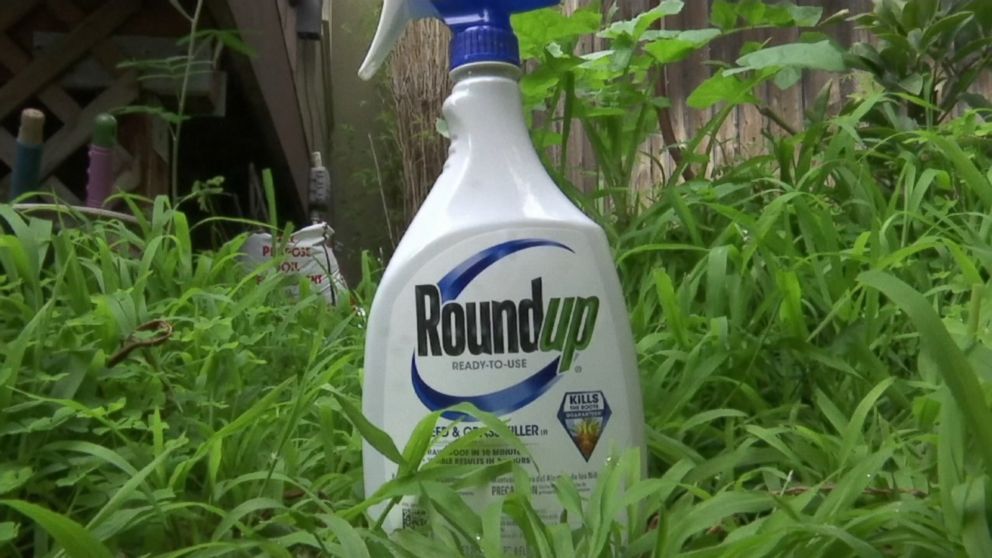
As reported in the Washington Post December 5th, 2025 by Amudalat Ajasa A prominent scientific journal, Regulatory Toxicology and Pharmacology, has retracted a widely cited 2000 study that previously concluded the active ingredient in Roundup, glyphosate, posed no cancer risk to humans. The retraction was initiated after evidence emerged suggesting the study was heavily influenced by the herbicide's seller, Monsanto (now owned by Bayer), in an apparent effort to disguise potential health risks. Specific concerns cited by the journal include the strong possibility that Monsanto employees contributed to the writing without proper acknowledgment, that the authors may have received undisclosed payments from the company , and that the findings were based solely on unpublished Monsanto studies. This misconduct, discovered through internal company emails during federal litigation, is significant because the faulty research served as a bedrock for regulatory decisions regarding glyphosate for decades. Summary of Alleged Faulty Study and Monsanto's Influence The Study and Its Conclusion: The retracted paper, published in 2000, was a "bedrock study" that concluded: "under present and expected conditions of new use, there is no potential for Roundup herbicide to pose a health risk to humans." The Retraction: The scientific journal retracted the study due to a loss of confidence in its results and conclusions, citing the need to "maintain the integrity of the journal." Evidence of Undisclosed Influence: The co-editor in chief cited evidence suggesting that Monsanto employees "may have contributed to the writing of the article without proper acknowledgment as co authors." Undisclosed Payments: The retraction also noted that the study's authors may have been paid by Monsanto without disclosing it . Basis of Findings: The journal stated that the study's findings about cancer risk were "solely based on unpublished studies from Monsanto." Discovery of Influence: Monsanto's influence over the study was reportedly discovered through internal emails released during federal litigation against the company in 2017. Impact: The study "had a significant impact on regulatory decision-making regarding glyphosate and Roundup for decades," and was one of the most-cited papers on glyphosate safety, underpinning federal regulations for the pesticide. The Environmental Protection Agency (EPA) even cited it in its 2016 review of glyphosate. Context and Aftermath Bayer's Defense: Bayer (which acquired Monsanto in 2018) defended the chemical's safety and argued that Monsanto's involvement was appropriately cited in the acknowledgments, stating that glyphosate is the most extensively studied herbicide and that the "vast majority of published studies on glyphosate had no Monsanto involvement." Regulatory Stance: The EPA stated the retraction would not affect its current stance —which is that glyphosate is "not likely to be carcinogenic to humans"—because the agency does not directly rely on review articles like this one, but uses them to find other relevant individual studies. Litigation: Bayer has spent approximately $10 billion to settle lawsuits arguing the company did not warn customers about the negative health impacts of using Roundup. Read the full article in the Washington Post
By Rebecca Rivera • November 14, 2025
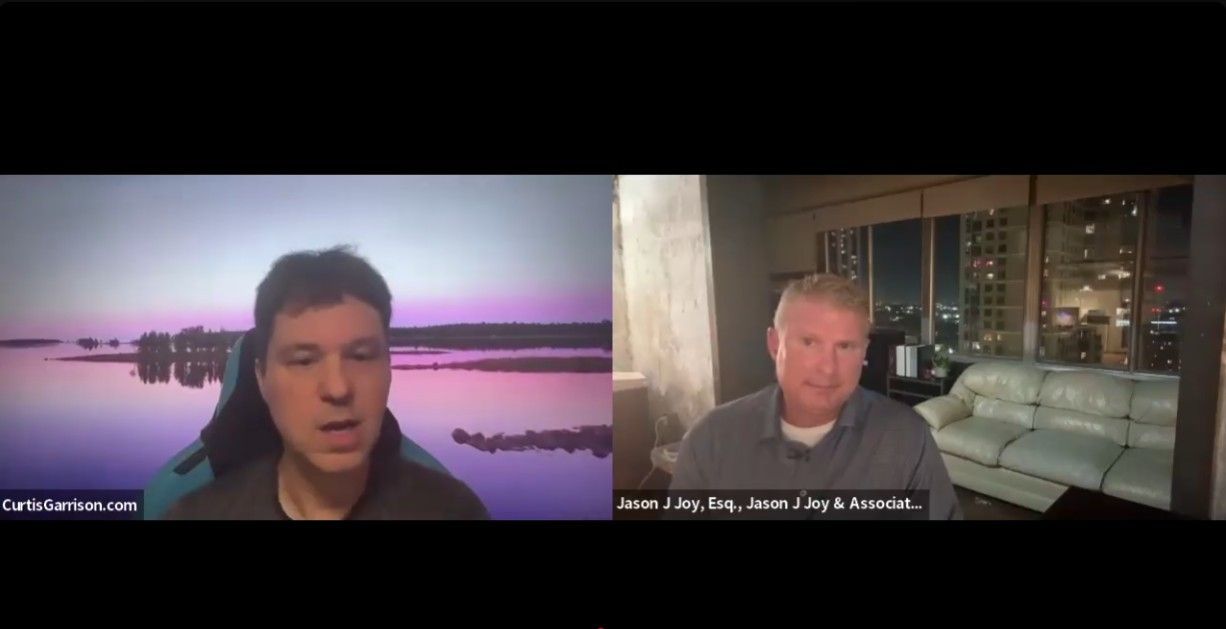
In this series premiere episode, Founder & President of SOSCSA, Child Sexual Abuse Survivor & BSA Bankruptcy Claimant, Curtis Garrison interviews attorney Jason J Joy for an update on the BSA bankruptcy and discussing childhood abuse litigation for which Jason is an outspoken and experienced advocate. Jason's firm is actively litigating cases for many clients his law firm represents. This podcast is recommended for clients already represented, and for those who are still contemplating coming forward to establish a claim. Topics covered in this episode: Recent BSA Bankruptcy Trust report Lajun Claimants (Guam) v. Boy Scouts of America and their recent Petition For A Writ Of Certiorari to the U.S. Supreme Court The 1.5% initial payment, possible second payment time / total percentage Future Claims, BSA Councils, BSA Charters (churches, schools, etc) which there are over 100,000 entities possibly getting free of liability Mixed Claims explained We did not vote for this plan, they promised we would be paid in “Paid in Full” Plans to file an Amicus Brief Statute of Limitations